
Archives
-
The Three Main Types of Hot Tubs: Which Is Right for You?
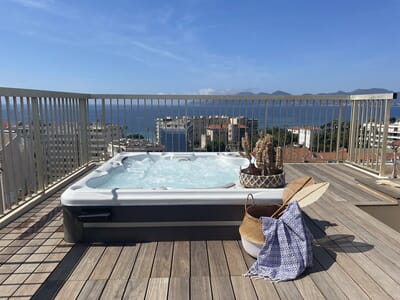
Back to the Learning Centre By Jon Filson Hydropool Hot Tubs and Swim Spas One of the first decisions you’ll face when hot tub shopping is choosing the right type of hot tub for your lifestyle, space, and budget. From inflatable options to rotomolded and acrylic models, each comes with its own benefits and drawbacks. It’s worth understanding how they compare before you dive in. At Hydropool, we’ve spent over 45 years helping homeowners find the right fit for their indoor or garden spaces. This guide breaks down the three main types of hot tubs, explaining how they differ and who they’re best suited for. Here’s what we’ll cover: What is an inflatable hot tub and who is it best for? What is a rotomolded hot tub and is it worth it? What is an acrylic hot tub and why is it the most popular? How do the three types of hot tubs compare on cost, comfort, and performance? Let’s take a closer look at your options so you can make the best decision for your UK garden. What Is an Inflatable Hot Tub and Who Is It Best For? Inflatable hot tubs are often the go-to for first-time buyers. Made from heavy-duty vinyl or PVC, they’re portable, easy to set up, and much cheaper than other options. You’ll typically find them sold by brands like Lay-Z-Spa, Intex, or Wave. Pros: Affordable — often under £500 Lightweight and easy to move Quick to inflate and set up Good for short-term use Cons: Poor insulation, which means higher running costs in colder weather Limited hydrotherapy, usually just bubble jets Shorter lifespan (1–3 years on average) No built-in seating or shell support. They are often round, which has the least comfortable interior. These hot tubs can be a fun, low-risk way to try out hot tubbing, but they’re not ideal for long-term use or colder UK climates unless you have a very sheltered garden space. In general, we don’t recommend them as longevity and usability just isn’t there. What Is a Rotomolded Hot Tub and Is It Worth It? Rotomolded hot tubs are made of plastic, giving you durability in exchange for more pleasing and elegant looks. Rotomolded hot tubs are made using a moulded plastic shell, which makes them lightweight but more rigid than inflatable models. They are built the same way many toys, kayaks and pylons are made – things designed to take a licking and keep on working. They tend to have more structure, built-in seating and proper jet systems. These are often referred to as “plug-and-play” hot tubs because many of them can run from a standard plug-in. Pros: More durable than inflatable tubs Lightweight and often portable Lower price point than acrylic tubs Simple plug-in installation in some cases Cons: Limited insulation compared to premium models, so less efficient Fewer jet options than acrylic hot tubs May not look as sleek or stylish Rotomolded tubs can be a solid middle-ground choice. They are ideal for families or buyers who want something durable but not overly expensive. They’re usually priced between £2,000 and £5,000, depending on size and features. They are a great option for rental units or for anyone who prefers to sit in hot water without the jets on. What Is an Acrylic Hot Tub and Why Is It the Most Popular? Acrylic hot tubs, such as this installed Hydropool Signature 655, combine elegance with elite hydrotherapy. Acrylic hot tubs are the gold standard for long-term ownership. These are the only kinds of hot tubs that Hydropool sells for that reason. These hot tubs feature a high-gloss acrylic shell, often reinforced with fibreglass or ABS plastic, and come with high-performance jet systems, ergonomic seating, and advanced insulation. Some have custom massage jets, infrared technology or advanced cleaning systems (Hydropool has a patented self-cleaning system on its Signature hot tubs). Pros: Excellent insulation — lower running costs Wide range of hydrotherapy jets and features Long-lasting build (10–20+ years) Premium design and finish Cons: Higher upfront cost — typically £6,000 to £20,000+ Heavier and may require professional installation in most cases Needs a solid foundation and electrical connection If you’re looking for a long-term investment in health, wellness, and family time, acrylic hot tubs are usually the best value over time, despite the higher initial spend. How Do the Three Types of Hot Tubs Compare on Cost, Comfort, and Performance? Feature Inflatable Rotomolded Acrylic Price range £300 – £800 £2,000 – £5,000 £6,000 – £20,000+ Installation DIY Some are plug & play, some need electrician Professional electrician required in most cases Comfort Basic Moderate High Hydrotherapy jets Air bubbles only Some water jets Full hydrotherapy massage Energy efficiency Low Moderate High Durability 1–3 years 5–15 years 10–20+ years Best for Short-term use Families, beginners Long-term wellness Each type of hot tub offers a different experience. The right one for you depends on how often you plan to use it, how much you want to spend, and the type of features that matter most to your household. The Three Types of Hot Tubs: Which One Is Right for You? Inflatable, rotomolded, and acrylic hot tubs each bring something different to the table. If you’re looking for a budget-friendly introduction, an inflatable tub might be the way to go. Want something more solid without going all-in? Rotomolded tubs offer a good balance. And if you’re ready for a long-term investment in relaxation and wellness, acrylic hot tubs offer the most in terms of performance, style, and comfort. Still unsure which type suits your lifestyle? Speak to your local expert via our Find a Retailer page and get tailored advice for your UK home. To explore the acrylic models we offer at Hydropool, browse our full hot tub collection, or visit the Hydropool Learning Centre to compare models and features. Jon Filson is the Senior Content Manager at Hydropool Hot Tubs and Swim Spas.
