
009
-

Hydropool Hot Tubs: A Complete Guide
Back to the Learning Centre Hydropool Hot Tubs: A COMPLETE Guide By Jon Filson Hydropool Hot Tubs and Swim Spas Published 06/16/2025 In the world of hot tubs, the options seem endless. At Hydropool, we understand the confusion that comes with choosing the perfect hot tub. That’s why we want to simplify your decision-making process. Our lineup isn’t a complicated one. In this comprehensive guide, we’ll delve into our two primary collections: Signature and Serenity. The two have some similarities. For example, all Hydropool hot tubs are well-insulated, energy-efficient and built to withstand the cold of a Canadian winter. But we carry two collections for a reason, and it’s because they have different elements to offer.How much is a Hydropool? See below for a breakdown of our range of hot tubs:Serenity is a mid-level hot tub, with what is considered industry standard filtration. Its price range is between £8,295 and £10,795 (all prices include VAT). For full pricing, head to the individual web page of any model.Signature is our top-of-the-line hot tub with elite and patented self-cleaning abilities (which we will explain a bit later on). Its price range is between £11,795 and £20,995, with many stops in-between (again, prices include VAT, all pricing is listed on each model page).It is worth noting here that Hydropool retailers also typically carry a less expensive line of hot tubs called DreamMaker, which begin at £4995. These rotomolded hot tubs are made in Florida: you can find out more about them by clicking here.Hydropool has existed in Canada since 1980 and has been selling in the UK for decades, as one of the first companies to ship hot tubs overseas. Today we have 27 stores in the UK and Ireland and more than 300 around the world. We get asked about the differences between our two lines often in those stores, and that’s why we wanted to write this article – to make it as easy as possible on you to see the differences between the two and understand why we’re a premium brand. By the end, of this article, we hope you’ll have a clear understanding of what sets Hydropool apart, and which of our two collections will suit you best. Where Are Hydropool Hot Tubs Made?All of our hot tubs are built by hand in Mississauga, Ontario in Canada. We build by hand so we are capable of being flexible and building a hot tub for your preferences, rather than rolling them off a pre-programmed assembly line, which limits your customization options. What is Hydropool’s Self-Cleaning Hot Tub? Let’s clarify what a “collection” means. Think of it as a diverse family of hot tubs, each unique yet connected to Hydropool. Our top-of-the-line Signature Collection features a dozen models, built for three people up to seven (check them all out here). Along with an enhanced wellness program, the standout feature on the Signature collection is the self-cleaning system, a patented innovation that is unique to Hydropool. What’s unique about the self-cleaning system is that its design is based on how commercial or public pools are built. Public pools are built with much higher standards than hot tubs are and are more heavily regulated. The elements included in our self-cleaning hot tubs are the exact same ones, and work the same way. Hydropool originally began as a pool company. So when it entered the hot tub business it built the tubs to the same rigorous specifications. What does that mean in practice? Each Signature has: A top skimmer, which picks up any particles that float on top of the water.A floor vacuum, which sucks up anything that falls to the bottom.A filtering system with no-bypass filtration. What that means is the pump is ahead of the filter. The pump thus forces all water into the filter, which ensures all of your water is cycled through the filter every 10 minutes in your hot tub.The self-cleaning system is better viewed than explained! Here’s a video that showcases how the self-cleaning system works. When you combine the self-cleaning system with Hydropool’s PureWater AOP system (that stands for Advanced Oxidation Process), you have the most unique and stellar water sanitization system available.An AOP system treats your water similar to how your drinking water is treated. Using combined UV light and an oxidization process, it removes the need for any floating chemical dispenser in the Signature models. It also reduces the amount of chemicals you need in your hot tub by up to 50 per cent. For more on how a PureWater system operates, watch this video. This entire sanitization system, including both PureWater and the self-cleaning system comes standard on all Signature models. It’s all meant to achieve less hassle for you once you own the hot tub, so you can spend more time enjoying it than maintaining it.In contrast to the Signature line, the biggest change to the Serenity Collection is that it adheres more closely to industry-standard cleaning methods, while still being built to the same high standards as the Signature.The sanitization system it uses is similar to what most hot tubs use around the world. It is common in hot tubs because it is capable of cleaning a smaller body of water, with a bit more effort on the part of the owner. The system features a top skimmer and puts the filter in front of the pump as its major cleaning elements.For more on the Serenity collection, click here. Hydropool’s Self-Cleaning Technology How is the Massage in Hydropool’s Hot Tubs?The Hydropool Signature features the most advanced Wellness program Hydropool offers. Zone Therapy exists across the Hydropool hot tub lineup, but the Signature edition has the most elite version of it.Hydropool focuses on creating opportunities for full body massage with its hot tubs. Other hot tub companies may focus on the back or feet or neck other areas with unique jets. With the Signature, you have a choice of eight pre-programmed massage options, each of which targets a specific issue for enhanced wellness. For more, click here.Hydropool’s Serenity collections also features Zone Therapy, providing a range of jets…
-
Should You Buy a Hot Tub or Swim Spa?
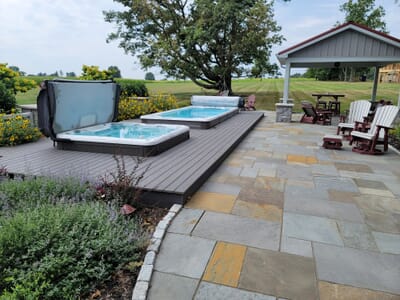
Back to the Learning Centre Hot Tub or Swim Spa? Which is Right for You? By Jon Filson Hydropool Hot Tubs and Swim Spas Published 05/02/2025 If you’re in the market for a hot tub, you’ve probably cast a curious glance at its more expansive cousin, the swim spa. On the flip side, if you’re eyeing swim spas, the allure of a hot tub may be tempting for its smaller size and clearer purpose. So which is right for you: a hot tub or swim spa? At Hydropool, we understand the dilemma. “Hot tub or swim spa?” is a common question, especially for first-time buyers. What often happens is someone will come into a store, see a swim spa and say, “What’s that?” Hot tubs are a well-known product now, having been around for the 1960s. But the swim spa is a newer product to many people, although they have been made and sold since the mid-1990s. Which will it be for you? We hope to answer that question here. In this article, we will cover: How do you intend to use your hot tub or swim spa? Which will best fit? Which installation method is needed for each? What is the cost breakdown for hot tubs vs swim spas? What are the monthly operating costs for each? Hopefully, by the end, you’ll have a strong sense of which is the right one for you. Hot Tub vs Swim Spa: What Do You Want to Do In It? Swim spas offer everything a hot tub offers, plus deliver a unique swimming experience. That is the fundamental difference between the two. A swim spa can offer a hot tub experience with hydrotherapy jets, either as a separate entity (both a swim spa and a hot tub) or as part of the swim spa itself. Seating options vary from two to 20, depending on the model. A swim spa can act as both a traditional swimming pool replacement at much less cost or as a hot tub at a higher cost – although capable of much more. A quality hot tub typically houses seats for four to eight people, with massage jets and plenty of hot water. It’s ideal for relaxation and close conversations, intimate moments and perhaps the odd party. So if you’re looking for a place to work out in, swim in as well as get a decent massage and relax in where family and friends can both enjoy the experience, a swim spa is a good place to begin. Like hot tubs, swim spas can also feature lights, music, and jets. If what you want is a place to relax and have a soak and a massage and connect with friends and family, a hot tub is likely the first you will want to consider. One big perk: Neither generally require planning permissions, as they are considered portable units. Combined hot tubs and swim spas exist and can make spectacular installations. This is the Hydropool Aquasport 19DTAX. Fit for Your Garden: Swim Spa or Hot Tub? Space is a critical factor in deciding between a swim spa and a hot tub. Swim spas generally demand more area, with an average size of around eight feet wide and 12 to 20 feet long. In contrast, a typical hot tub is approximately eight feet on each side. For optimal accessibility and movement, allocate at least three feet around the tub or spa. This is to ensure that the hot tub or swim spa will be available for repairs if need be. Hot tubs, especially smaller varieties, are certainly more maneuverable, fitting into spaces where swim spas can’t, such as condo balconies. Deliveries can also be an issue. Although both are easily delivered in most cases, there are times when cranes or helicopters are required and this is far more common for swim spas than it is for hot tubs. Both hot tubs and swim spas may be installed outside, inside, in the ground or partially submerged, with decking around it. Hot Tub vs Swim Spa: Costs Swim spas usually cost more. We wrote an entire article breaking down the cost that you can read here. Here’s where we landed: Most swim spa buyers spend roughly £35,000 for the swim spa itself. Swim spas require a concrete pad, about £1000 pounds. Electric hookup is roughly £500. Delivery varies between £750 – £2000. The total cost of a swim spa installed is approximately £38,000. We have a similar breakdown for hot tubs in this article. Here are the core elements of buying a hot tub: £7500 for the hot tub, including shipping £100 for any concrete pad, blocks or deck £350 for electrical. The total is roughly £7950, all in. These are average costs, meant as a guide to help you decide. While high-end hot tubs can approach the cost of lower-end swim spas, the bottom line is that running a swim spa generally comes with a higher price tag. However, for many, the price difference might not be prohibitive, making both options accessible. Swim Spa vs Hot Tub: Monthly Operating Costs Operational costs for swim spas tend to be higher due to the increased water volume. It’s essential to note that these figures are approximations and can vary based on location and usage. The temperature variance between hot tubs and swim spas also influences costs, with hot tubs generally set at higher temperatures than swim spas. A hot tub comes in around about £85 a month, with about £75 of that coming from the current cost of power or about £3 a day, while a swim spa is estimated to be about £180 a month, or roughly £6 a day. For a more complete look at the monthly costs, we’d encourage you to have a look at the following: We have an article that outlines the monthly costs of a swim spa. And another that breaks down the monthly costs of a hot tub. Making the Choice: Hot Tub or Swim…
-
Hot Tub Insulation: Your Complete Guide to Energy Efficiency
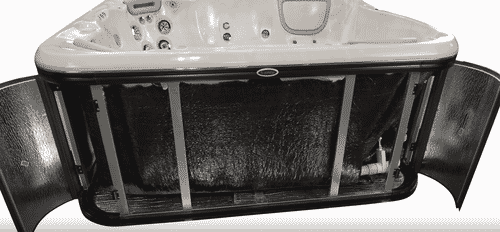
Back to the Learning Centre A Complete Guide to Hot Tub Insulation By Jon Filson Hydropool Hot Tubs and Swim Spas Published 05/02/2025 In 2025, choosing an energy-efficient hot tub is key to saving on your monthly power bill. The most crucial component in making any tub energy efficient is the form of hot tub insulation. Now insulation isn’t something most of us think about very often or want to bother with. “Is it insulated?” we might ask, and if told “yes”, that might be all we want to hear. But with hot tubs, it’s a crucial component in their development, especially now with energy costs the way they are. We are asked about energy efficiency frequently at our stores, and as a result we wanted to write this article to get the information out there about how hot tub insulation works. Insulation is the most important component in ensuring your hot tub is energy efficient. At Hydropool, we understand the importance of insulation in maximizing your hot tub’s efficiency. So this article will cover: The three main types of hot tub insulation are: Full Foam Perimeter Thermal Blanket What goes into the best-insulated hot tubs? How Hydropool hot tubs are insulated Let’s dive in! How can I buy the best-insulated hot tub possible? Our advice to many customers used to be to “buy from a hot tub manufacturer that makes the hot tub in your local area.” The reasoning behind that was that if you buy locally, you know those products have been made to withstand the weather of that particular area. We have been in business for more than 45 years – if we weren’t able to sell Canadians our hot tubs, we would have been out of business by now (we have been shipping hot tubs to the UK almost as long, by the way). International shipping and new forms of robotic manufacturing have transformed the industry, but not always for the better. Cheaper hot tubs can be shipped around the world and hot tubs are now often built locally – or in manufacturing-friendly locations like Mexico, China or Hungary, depending on where you are. But just because they are local, that doesn’t mean they are being built well in those locations or even built for the areas they are intended to be sold in. Generally, those locations are chosen to be less expensive manufacturing sites for the manufacturer, not because they are best for the consumer. So our advice has to be updated. When it comes to energy efficiency, today our advice is to buy a hot tub from a company that makes it either for your specific market or that is manufactured in an area with worse weather than you generally experience. If it’s sold in a cold place, it is more likely to be able to handle your environment. Some companies make two versions of their hot tubs: A base model and then with a second “Northern” insulation package (or a similar name). We think that is a decent approach, as at least the customer has the option of a better-insulated model, although it is often supplied at an extra charge. We make our hot tubs one way. At Hydropool, say that our hot tubs are “made for Canadian winters.” That’s what they have been to handle for the 40 years we have been in business. If they couldn’t, we would have been out of business a long time ago. What are the types of hot tub insulation? Chances are when you’re looking at hot tubs, you’re going to see one of the following types of insulation. (we know because at different times throughout our company’s history, we have had each of these types of insulation in our hot tubs. So we understand the pros and cons of each.) All three of the following types of insulation are capable of passing the California Energy Commission’s rigorous rules. California has the strictest rules in the world when it comes to energy conservation and hot tubs cannot be sold in the U.S. state unless they can pass a series of energy tests (all Hydropool hot tubs have passed California’s tests and are sold there). But that doesn’t mean the three systems all work the same way. Have a read and see the differences: Full Foam Hot Tub Insulation: Is More Always Better?Full foam is exactly what it sounds like: a large amount of foam pumped into every nook and cranny in your hot tub. Jacuzzi is a company that approaches insulation this way, but there are many others. We have found that in the UK, with our wet winters, moisture gets into the foam and stops it from working properly – moisture and insulation are a bad mix. Foam is also very old technology. It works and it is entirely serviceable, and some people and companies even swear by it. But new engineering methods have pushed past it (we’ll cover them in just a second). Pros Provides excellent insulation, minimizing heat loss throughout the entire cabinet, visually impressive. Provides support for internal parts, reducing vibration and potential leaks. Cons Potential for over-insulation, leading to higher costs but less actual value. Very difficult access for repairs – the foam has to be removed to find a leak, for example – which typically increases service costs. Less effective if wet, due to the type of insulation used. Hydropool’s view: We used full foam in the 1990s but switched due to access and cost versus value as well as the other hangups. We know it might look impressive, but that doesn’t mean it works as well as insulation can. Perimeter Foam Insulation: Can a hot tub be insulated like a house? Perimeter foam involves insulation around the edges of the hot tub. This is similar to how your house works, with the insulation in the walls making it difficult for warm air to leave the room. Arctic Spas is an example of a company that uses this method. Pros Allows easy access to internal components for servicing. Looks trim and professional. Provides good insulation without overloading. Cons May lack support for hoses, potentially causing wear due to vibration. Vents are necessary to prevent overheating, especially in…
