
hot tubs
-
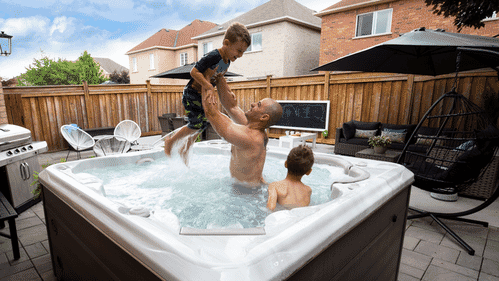
Best Hot Tubs for Families: Top Picks for a Fun and Relaxing Experience
Back to the Learning Centre By Jon Filson Hydropool Hot Tubs and Swim Spas Families and hot tubs are made for each other. But with so many models out there, which is right for you? Looking for a family hot tub is different than looking for one to fit into a tiny garden or one designed to hold as many people as possible (although this may work for a large family! We’ll talk about that in a minute). You want something safe, reliable and you want everyone to fit! You want it affordable but not feel like you’re denying yourself anything. At least that’s our approach at Hydropool, where we deal with families looking for hot tubs all the time. We’ve been in business for 45 years and buying a hot tub as a place for the family to hang out in and around is a terrific idea. In this article, we’ll guide you through: The golden rule of hot tub buying – how to figure out what size you need for your family What to look for in a hot tub fit for a family Some top hot tubs for families (including ones not made by Hydropool. We want you to have a good experience whether you buy ours or not) Why are hot tubs great for families? What to look for when choosing a family-friendly hot tub? The swim spa option: Is a swim spa best for your family? Tips for making the most of your family hot tub experience A good hot tub for a family isn’t just about bubbles and warm water—it’s about comfort, safety, functionality and value for everyone who uses it. Let’s dig in. How to Determine What Size of Hot Tub You Need for Your Family Here’s our rule: Take the amount of people who will normally use the hot tub. If you have a family of four, then it’s four. Then add two to that number. If you take that approach, this will give you sufficient space so that four doesn’t feel crammed. It will also allow you or your kids to have a friend over if they like or the grandparents. You can buy a four-seat hot tub for a family of four, to be sure. It’s just many hot tubs are like tents. Just because they say they hold four, doesn’t mean it’s the most comfortable fit in the world. If in doubt here, we suggest you literally try before you buy. A good hot tub retailer will allow you to sit in any hot tub before you buy. Bring the kids along and have everyone sit in the hot tub to see if the space is sufficient. We’ve seen many people change their minds on what hot tub they want simply by sitting in one for a minute. Nothing else really gives you the same sense of what the space is like. What to Look for in a Good Family Hot Tub 1. Seating Layout Look for: A hot tub that comfortably fits your entire family plus two. The shape of the hot tub matters a great deal here, and as we said above, you may want to try it out before buying. Tip: Multi-level seating is great for kids and adults of different heights. For example, the Hydropool Signature 455 features his and her loungers, each designed for someone of a different height. 2. Safety Features Look for: Non-slip surfaces, lockable covers and temperature controls should be part of any hot tub purchase. 3. Ease of Use Look for: Simple, intuitive controls, quick heat-up time; low-maintenance systems (Hydropool has a self-cleaning system for this reason). 4. Energy Efficiency Look for: Well-insulated shells, efficient pumps and energy-saving modes. Larger tubs (especially those used often by families) can rack up energy bills quickly. Energy-efficient models reduce running costs over time. 5. Durability Look for: High-quality materials like acrylic shells, strong frames and UV-resistant covers. Kids can be tough on things, and a hot tub is an investment. A durable spa will last longer and require fewer repairs. This is an area where companies can skimp but you don’t want that when buying a hot tub for a family. 6. Optional Entertainment Features Look for: Built-in speakers, LED lighting, and water features such as waterfalls and fountains. 7. Warranty & After-Sales Support Look for: Comprehensive manufacturer warranties and reputable local dealers matter to avoid hassle. A hot tub is a long-term investment. Good support ensures you’re covered if something goes wrong. What Are Some Top Hot Tubs for Families in the UK? If you’re seeking a family-friendly hot tub available in the UK, here are five top-rated and affordable options from reputable brands: 1. Wellis Venus Hot Tub Capacity: 6 people (5 seats + 1 recliner) Includes waist and hip massage and built-in Bluetooth tech. The Hydropool Signature 655 is one of our most popular models, due to its ample footwell and overall interior space. 2. Hydropool Signature Self-Cleaning 655 Capacity: 6 people, with all seats (model with lounger is the Signature 679) Self-cleaning system for minimal maintenance, no-float lounger, multiple optional packages 3. Jacuzzi J-235™ Capacity: 6 people (5 seats + 1 lounger) Proprietary hydromassage jets, SmartTub® system, the Jacuzzi brand name 4. Master Spas Legend 7 Capacity: 6 people Features: optional Bluetooth speaker, cascading waterfalls, LED lighting 5. Hot Spring Prism™ (Limelight Collection) Capacity: 7 people Little larger unit, salt-water system is optional Why Are Hot Tubs Great for Families? Hot tubs offer a unique way for families to relax and connect. We’re big fans, obviously, but this is how we see people using them: Quality time together – Hot tubs create a screen-free zone where everyone can chat, play games, and bond. It might be the absolute last place where people do that. It’s perfect for families who want to disconnect from the daily hustle and connect with each other. Relaxation for all ages – Whether it’s soothing muscles after a workout or just unwinding after a busy…
-
How to Adjust Alkalinity in Your Hot Tub
Back to the Learning Centre By Jon Filson Hydropool Hot Tubs and Swim Spas https://www.youtube.com/watch?v=FGUJIppfFyMProper water balance is essential for maintaining a safe, comfortable, and enjoyable hot tub experience. One of the most crucial aspects of water chemistry is alkalinity, which plays a significant role in stabilizing pH levels and protecting both your equipment and skin. If your hot tub’s alkalinity is too high or too low, it can lead to issues such as skin irritation, cloudy water and over time, potentially damage the tub’s components. In this article, we’ll guide you through everything you need to know about adjusting alkalinity in your hot tub, including: What alkalinity is and why it’s important How to test alkalinity levels How to raise or lower alkalinity levels Common mistakes to avoid At Hydropool, we want to ensure your hot tub is always ready for a relaxing soak. Let’s dive in and learn how to maintain proper alkalinity levels in your hot tub. What is Alkalinity and Why is it Important? Alkalinity refers to the water’s ability to neutralize acids, which helps keep the pH level stable. In simple terms, it acts as a buffer to prevent rapid shifts in pH levels, keeping your water balanced and safe. It’s actually often called “buffer” in the industry as a result. Alkalinity is measured in parts per million (ppm), and for hot tubs, the ideal range is typically between 80–120 ppm. If alkalinity levels are too low, the pH can fluctuate, leading to corrosion of your hot tub’s metal components, such as heaters and jets. If it’s too high, it can cause the water to become cloudy and prevent pH adjustments, making it difficult to maintain proper water chemistry. How Does a Hot Tub Work? How to Test Alkalinity Levels Before you can adjust your hot tub’s alkalinity, you need to test the water to determine the current levels. You can use a few different methods for testing: Test Strips: These are the quickest and easiest method. Simply dip the strip into the water, wait for a few seconds, and compare the colour change to the chart provided with the strips. Most test strips will provide readings for both alkalinity and pH. For a hot tub, water test strips are the least expensive and all you should ever need for water testing. Digital Testers: These handheld devices offer a more precise reading and are often a bit more expensive than test strips. They can give you an accurate measurement of alkalinity and pH with just a small sample of water. Liquid Test Kits: A more traditional method, liquid test kits usually involve adding drops to a water sample to create a colour change. The results are then compared to a colour chart to determine the alkalinity. Regardless of the method, it’s important to test the water regularly (ideally every few days) to ensure the water chemistry remains balanced. How to Raise or Lower Alkalinity Once you know your alkalinity levels, you can adjust them by adding specific chemicals to the water. Here’s how to do it: How to Raise Alkalinity If your alkalinity is too low (below 80 ppm), you’ll need to raise it to prevent pH swings and protect your hot tub equipment. The best chemical to use for this is alkalinity increaser, which typically contains sodium bicarbonate (baking soda). Here’s how to raise the alkalinity: Calculate the Amount Needed: Follow the instructions on the product packaging, as the amount of alkalinity increaser needed depends on your hot tub’s size. Most containers will come with a set sized scoop that helps with this process. Typically, adding around 1.5 oz (42g) of sodium bicarbonate per 1,000 litres of water will increase alkalinity by about 10 ppm. Add the Chemical: Add the recommended amount of alkalinity increaser to your hot tub water. It’s best to add the chemical gradually and evenly around the perimeter of the tub. Run the Jets: Turn on the jets to circulate the water and allow the alkalinity increaser to dissolve completely. This will take between 15 minutes and half an hour. Don’t use the hot tub during this time. Retest the Water: After a few hours, retest the water to ensure the alkalinity is within the ideal range (80–120 ppm). If necessary, repeat the process until you reach the desired level. Adding chemicals is best done slowly and carefully in order to prevent chemical swings in your water.How to Lower Alkalinity If your alkalinity is too high (above 120 ppm), you’ll need to lower it to bring your water chemistry back into balance. To lower alkalinity, you’ll need pH decreaser (also known as pH-minus or muriatic acid) or an alkalinity decreaser. But just to confuse people, it’s usually called pH decreaser. Here’s how to lower the alkalinity: Calculate the Amount Needed: Refer to the product’s instructions for the exact amount of pH decreaser needed. Generally, you’ll need around 1.5 oz (42g) of pH decreaser for every 1,000 litres of water to lower alkalinity by 10 ppm. Add the Chemical: Slowly add the recommended amount of alkalinity decreaser to the water while the jets are running to ensure the chemical is evenly distributed. Wait 15 minutes to half an hour. Retest the Water: After several hours, retest the water to check the alkalinity level. If necessary, add more alkalinity decreaser, but always do so gradually to avoid overshooting your target level. Otherwise you’re caught in a trap of adding then subtracting, adding and subtracting. Hydropool’s Self-Cleaning Hot Tubs Common Mistakes to Avoid When Adjusting Alkalinity Adjusting alkalinity is a simple process, but there are a few common mistakes you’ll want to avoid: Adding Too Much Chemical: Always follow the manufacturer’s instructions and start with small amounts when adjusting alkalinity. Adding too much chemical quickly can cause the levels to swing too far in the opposite direction. Take your time and get it right. Alkalinity is usually one of the most stable compounds. Not Testing the Water Regularly: Water chemistry can change over time due to factors like bather load, weather conditions, and the type of chemicals used. Be sure to test your hot tub’s alkalinity and pH each week to keep…
-
The Three Main Types of Hot Tubs: Which Is Right for You?
Back to the Learning Centre By Jon Filson Hydropool Hot Tubs and Swim Spas One of the first decisions you’ll face when hot tub shopping is choosing the right type of hot tub for your lifestyle, space, and budget. From inflatable options to rotomolded and acrylic models, each comes with its own benefits and drawbacks. It’s worth understanding how they compare before you dive in. At Hydropool, we’ve spent over 45 years helping homeowners find the right fit for their indoor or garden spaces. This guide breaks down the three main types of hot tubs, explaining how they differ and who they’re best suited for. Here’s what we’ll cover: What is an inflatable hot tub and who is it best for? What is a rotomolded hot tub and is it worth it? What is an acrylic hot tub and why is it the most popular? How do the three types of hot tubs compare on cost, comfort, and performance? Let’s take a closer look at your options so you can make the best decision for your UK garden. What Is an Inflatable Hot Tub and Who Is It Best For? Inflatable hot tubs are often the go-to for first-time buyers. Made from heavy-duty vinyl or PVC, they’re portable, easy to set up, and much cheaper than other options. You’ll typically find them sold by brands like Lay-Z-Spa, Intex, or Wave. Pros: Affordable — often under £500 Lightweight and easy to move Quick to inflate and set up Good for short-term use Cons: Poor insulation, which means higher running costs in colder weather Limited hydrotherapy, usually just bubble jets Shorter lifespan (1–3 years on average) No built-in seating or shell support. They are often round, which has the least comfortable interior. These hot tubs can be a fun, low-risk way to try out hot tubbing, but they’re not ideal for long-term use or colder UK climates unless you have a very sheltered garden space. In general, we don’t recommend them as longevity and usability just isn’t there. What Is a Rotomolded Hot Tub and Is It Worth It? Rotomolded hot tubs are made of plastic, giving you durability in exchange for more pleasing and elegant looks. Rotomolded hot tubs are made using a moulded plastic shell, which makes them lightweight but more rigid than inflatable models. They are built the same way many toys, kayaks and pylons are made – things designed to take a licking and keep on working. They tend to have more structure, built-in seating and proper jet systems. These are often referred to as “plug-and-play” hot tubs because many of them can run from a standard plug-in. Pros: More durable than inflatable tubs Lightweight and often portable Lower price point than acrylic tubs Simple plug-in installation in some cases Cons: Limited insulation compared to premium models, so less efficient Fewer jet options than acrylic hot tubs May not look as sleek or stylish Rotomolded tubs can be a solid middle-ground choice. They are ideal for families or buyers who want something durable but not overly expensive. They’re usually priced between £2,000 and £5,000, depending on size and features. They are a great option for rental units or for anyone who prefers to sit in hot water without the jets on. What Is an Acrylic Hot Tub and Why Is It the Most Popular? Acrylic hot tubs, such as this installed Hydropool Signature 655, combine elegance with elite hydrotherapy. Acrylic hot tubs are the gold standard for long-term ownership. These are the only kinds of hot tubs that Hydropool sells for that reason. These hot tubs feature a high-gloss acrylic shell, often reinforced with fibreglass or ABS plastic, and come with high-performance jet systems, ergonomic seating, and advanced insulation. Some have custom massage jets, infrared technology or advanced cleaning systems (Hydropool has a patented self-cleaning system on its Signature hot tubs). Pros: Excellent insulation — lower running costs Wide range of hydrotherapy jets and features Long-lasting build (10–20+ years) Premium design and finish Cons: Higher upfront cost — typically £6,000 to £20,000+ Heavier and may require professional installation in most cases Needs a solid foundation and electrical connection If you’re looking for a long-term investment in health, wellness, and family time, acrylic hot tubs are usually the best value over time, despite the higher initial spend. How Do the Three Types of Hot Tubs Compare on Cost, Comfort, and Performance? Feature Inflatable Rotomolded Acrylic Price range £300 – £800 £2,000 – £5,000 £6,000 – £20,000+ Installation DIY Some are plug & play, some need electrician Professional electrician required in most cases Comfort Basic Moderate High Hydrotherapy jets Air bubbles only Some water jets Full hydrotherapy massage Energy efficiency Low Moderate High Durability 1–3 years 5–15 years 10–20+ years Best for Short-term use Families, beginners Long-term wellness Each type of hot tub offers a different experience. The right one for you depends on how often you plan to use it, how much you want to spend, and the type of features that matter most to your household. The Three Types of Hot Tubs: Which One Is Right for You? Inflatable, rotomolded, and acrylic hot tubs each bring something different to the table. If you’re looking for a budget-friendly introduction, an inflatable tub might be the way to go. Want something more solid without going all-in? Rotomolded tubs offer a good balance. And if you’re ready for a long-term investment in relaxation and wellness, acrylic hot tubs offer the most in terms of performance, style, and comfort. Still unsure which type suits your lifestyle? Speak to your local expert via our Find a Retailer page and get tailored advice for your UK home. To explore the acrylic models we offer at Hydropool, browse our full hot tub collection, or visit the Hydropool Learning Centre to compare models and features. Jon Filson is the Senior Content Manager at Hydropool Hot Tubs and Swim Spas.
-
What to Do If Your Hot Tub Isn’t Heating Properly?
Back to the Learning Centre Like someone who has found an indie band of their very own, you have discovered the swim spa. It’s like a hot tub, but you can swim in it, but less expensive than a pool. The only question left is where it goes in your garden. By Jon Filson Hydropool Hot Tubs and Swim Spas Like someone who has found an indie band of their very own, you have discovered the swim spa. It’s like a hot tub, but you can swim in it, but less expensive than a pool. The only question left is where it goes in your garden. And then it hits you: Where can it go in your garden? Or should it go in your garage? Maybe it should go indoors? Or maybe it should partially above ground, for a lifted effect. Maybe it should go entirely below? Or perhaps just sit there on top, with decking built around? Or can it go on a deck itself? So many questions. We are asked all of these and more from swim spa buyers and would-be buyers at our retail stores. So we wrote this article with the answers, so you could know what option fits you best. Have a read and hopefully by the end it will be more clear on what works best for you. Can you put a swim spa in the ground? Yes. Swim spas can be placed in-ground all the way or part of the way. The most popular option locally is to semi-submerge the hot tub into the ground, with more than three-quarters of swim spas being installed this way in the UK. This look is quite refined and requires additional landscaping, but done well, the swim spa will look like an integrated and expensive addition to your home and garden. You will need to create a wide area surrounding the swim spa, so that it can be accessed for service, and a pump will need to be installed to keep that area from becoming filled with water due to rain or overflow from swimming, should you be especially energetic. Can you bury a swim spa? As in put it entirely below ground? Yes you can. This is another quite popular approach with all of the caveats of putting a swim spa in the ground part of the way. You will need to build a basin to hold the swim spa so that it can be accessed for service and you will need to ensure that the basin is kept dry with a pump. Can you put a swim spa in a garage? Yes. There are a few thing you’re going to want to be sure of though. To install a swim spa in a garage: You will want to be sure the foundation is solid, as swim spas must live on a flat, stable, strong surface, such as concrete pad. You will want to make sure there is adequate electrical capabilities, as swim spas require 240V of power. You will want to have sufficient ventilation. Exhaust ventilation is expected, to forcibly expel the moisture that invariably will build up. You will want to be satisfied you have access. How are you getting the swim spa inside the space you’re considering? If it’s not built, this is relatively easy. But if it is built already, you will need to ensure you have a large enough doorway to slide the swim spa through. If putting your swim spa in the ground indoors, the same caveats apply as outdoors. You will need a concrete basin surrounding your swim spa to guarantee access, and you will want a system to ensure that basin is free of water. Can you put a swim spa indoors? Yes. It doesn’t have to be just a garage! A swim spa can be installed indoors. Our showrooms regularly feature swim spas that you can test before you buy, for example, so we are quite used to indoor installations. Keep in mind the floor/foundation, adequate ventilation and electrical will all be required as well as access to the space in the first place: The swim spa will need to get in the door somehow. With indoor installations, we highly recommend you speak to a local retailer who can work with you to advise you of the particulars to your location. We find even in gardens, every delivery is unique. Do you need planning permissions for swim spas? Here’s the good news: In 99.9% of situations you do not need any permissions. You should always discuss this with your local retailer, however, before you buy. But it is a very rare situation where anything document is required as a swim spa is a portable unit, not a permanent one like an in-ground pool. Can you put a swim spa on a deck? In short, no. We do not advise this. A swim spa is extremely heavy and a deck isn’t build to take the weight. Swim spas must be placed on a secure concrete pad. Swim spas are great contributors to gardens. While it is common to put them in the ground, it isn’t mandatory. Decking can be built around a swim spa so that you’re able to step right in and so that your swim spa doesn’t stick right out but is instead incorporated into the surroundings. Where can I install a swim spa? Swim spas can be more easily located in your garden or indoors than pools. There is additional work for different applications, but swim spas remain versatile units. Most people in the UK semi-submerge swim spas, with more than 3/4s of the buying public opting for that particular approach. It requires a bit of extra effort, but the overall effect is often stunning, with access made easy through steps and decking. Whichever way you decide is right for you, we hope we have answered many of your questions here on how swim spas can be installed. If we have missed any questions,…
-
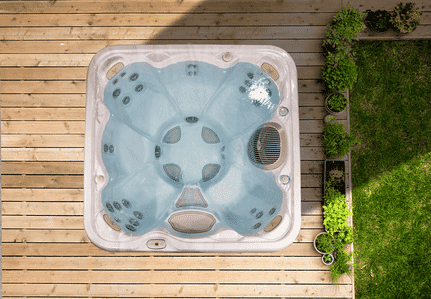
Do Hot Tubs Increase Your Energy Bill? Evaluating Ongoing Costs
Back to the Learning Centre By Jon Filson Hydropool Hot Tubs and Swim Spas Thinking of adding a hot tub to your garden, but wondering what it’ll do to your monthly bills? You’re not alone. One of the most common questions we hear from homeowners across the UK is: do hot tubs increase your energy bill? The short answer is yes. A hot tub uses power to heat its water, so your bill will be affected. But how much depends on the type of hot tub you choose, how you use it and how well it’s maintained, as well as other factors. We will walk through them all in this article. On average, a modern hot tub in the UK will use between 3–7 kWh per day, depending on the model, insulation quality, and usage. At the current electricity rates, that translates to around £1.50 to £3.50 per day, or roughly £45 to £105 per month. If that range is too wide, an average cost we see is about £75 coming from the cost of power. In this article, we’ll explain: How much electricity hot tubs typically use in the UK What factors influence energy consumption Tips to reduce hot tub running costs Are energy-efficient hot tubs worth it? How to estimate your monthly hot tub energy bill Whether you’re trying to budget or just want the facts before committing, this guide will walk you through everything you need to know. How much electricity do hot tubs typically use in the UK? The bulk of the energy cost comes from maintaining water temperature, especially during colder months when your tub is fighting against chilly outdoor air. Typical breakdown of energy use: Heating the water: 70–85% Pump and filtration: 10–20% Lighting, jets or any entertainment systems: 5–10% Keep in mind a few factors here: Older or poorly insulated tubs may cost significantly more to run. The size of the hot tub and the body of water it has will matter as well. Two pumps models cost less to run per month than one pump models because the pumps are not taxed as much (they do cost more upfront generally though. As an example, this is the key difference between a Signature Gold and a Signature Platinum hot tub). Ambient temperature plays a huge role here in how hard your hot tub has to work too. Our advice? Your local retailer will be able to give you more specific monthly cost, and we’d advise you to seek one out to get a real number. Find your local retailer here. What’s the complete monthly cost of a hot tub? What other factors influence energy consumption? Every hot tub is a bit different and so is every garden setup. The energy consumption of your hot tub depends on many factors: Insulation quality A well-insulated hot tub holds its heat longer, reducing the need for constant reheating. Look for models with full-foam insulation or triple-layer designs (the second is what Hydropool uses. We switched because it keeps everything just as warm but it’s easier to service: Click here for a Complete Guide to Hot Tub Insulation). Frequency of use If you’re using your tub daily (and for long sessions), expect higher energy bills. Less frequent use generally means lower costs. Once you lift that cover, it’s similar to lifting the cover off of a pot or opening your oven: a lot of heat comes out. Cover quality A thick, well-fitted, lockable cover can drastically reduce heat loss overnight or when the tub’s not in use. Heating settings Running your spa at 38°C all the time can burn more energy than necessary, especially if you don’t use it every day. Age and model of your spa Newer models tend to be more energy-efficient thanks to modern insulation and smarter tech. Older spas may lack these savings. Tips to reduce hot tub running costs If you’re concerned about energy use, there are several easy and effective ways to bring your bills down without compromising your soak. Top tips for saving energy with your hot tub: Use a high-quality insulated cover and keep it closed when not in use Turn down the temperature a couple of degrees: Maybe you prefer 36–37°C to 38–40°C Schedule filtration cycles during off-peak hours (if your electricity plan allows) Keep the water clean and balanced to avoid needing to empty and refill too often Add windbreaks or an enclosure to reduce heat loss from wind exposure Blue button: For more practical advice, visit our Hydropool Learning Centre https://hydropoolspas.co.uk/learning-centre/ For more practical advice, visit our Hydropool Learning Centre Are energy-efficient hot tubs worth it? Absolutely. While energy-efficient hot tubs may cost more upfront, they tend to pay off in the long run. High-efficiency models often include: Superior insulation materials Programmable controls for smart energy use More efficient pumps and heaters Additional circulation pumps that use less power overall In many cases, you can cut running costs in half compared to an older or budget model. If you’re shopping around, keep an eye out for spas that have been independently tested for efficiency (or those known for Canadian-style insulation, which is well-suited for UK winters). How to estimate your monthly hot tub energy bill To get a rough idea of your ongoing hot tub costs, you can use this simple method: Ask for any tub you’re considering’s kWh usage per day — for example, 5 kWh/day Multiply by the number of days per month — 5 x 30 = 150 kWh/month Multiply by your electricity rate — at 30p per kWh, that’s 150 x £0.30 = £45/month Of course, your actual costs may vary depending on usage, temperature settings, and energy provider. Your complete guide to what a hot tub costs Quick monthly cost guide Light use, efficient tub: £30–£50/month Average use, standard tub: £50–£80/month Heavy use, older model: £80–£120+/month Still not sure what to expect? Speak to your local Hydropool retailer for advice tailored to your setup. Do Hot Tubs Increase Your Energy Bill?…
-
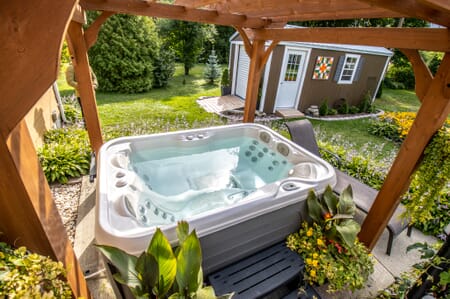
The Best Hot Tubs for Small Gardens
Back to the Learning Centre The Best Hot Tubs for Small Gardens: EVERYTHING You Need to Know By Jon Filson Hydropool Hot Tubs and Swim Spas It’s a common concern for homeowners across the UK: “Is my garden big enough for a hot tub?” With garden sizes shrinking in many parts of the country, especially in cities and new-build homes, it’s a fair question. The good news is, there are many excellent hot tubs designed specifically for small spaces so you don’t need a large plot to enjoy year-round relaxation. At Hydropool, we often help customers navigate compact installations and figure out how to make the best of small spaces. Whether you have a slim patio, a terrace, or a modest garden, there are reliable options to suit your space and lifestyle. In this article, we’ll cover: What dimensions work best in a small UK garden Important features to look for in compact hot tubs Specific hot tub models suited for small spaces Planning considerations before installation Tips for making the most of a compact garden layout With the right planning and the right model, you can transform even the smallest outdoor area into a calming spa space. What dimensions work best in a small UK garden? When choosing a hot tub for a small UK garden, size is the starting point. A compact hot tub typically accommodates 2 to 4 people and fits comfortably within garden spaces measuring as little as 2 x 2 metres. As a guide: 2-person hot tubs: Often under 160 cm wide; ideal for patios or balconies. 3–4 person hot tubs: Typically 180–200 cm wide; suitable for small yards or garden corners. The Hydropool Serenity 4300 is an example here or the Signature 379 if you want a self-cleaning model. Access clearance: Always allow at least 50 cm around the tub for access and maintenance over the long-term. You don’t want to have to move your hot tub just in case something goes wrong. While compact, quality smaller hot tubs still offer premium hydrotherapy and ergonomic seating. It’s all about smart design. If the Mini Cooper can be a great car, you can build a great smaller hot tub. That’s one of our tips, by the way. Don’t let anyone tell you or sell you a model saying “you can’t have that in a smaller hot tub.” You should have the same range of options as a larger hot tub. The Hydropool Serenity 4300 holds three and looks perfectly placed in a serene garden. What features should you look for in a compact hot tub? Even in a smaller model, the right features can dramatically enhance comfort and performance. Look for: Energy-efficient insulation: Helps maintain water temperature without wasting electricity. Ergonomic seating: Designed for comfort without taking up extra room. Well-positioned jets: Fewer jets placed with precision can still deliver a strong massage experience. Simple access panels: Essential when space around the tub is limited. Plug-and-play options: Some 13-amp models don’t require additional electrical work. What are the best hot tubs for small UK gardens? Here are some of the most space-efficient and popular small hot tubs available in the UK, across several trusted brands. Bullfrog Spas X5L Size: 173 x 213 cm Capacity: 2–3 people Key features: JetPak Therapy System, fully customisable jet zones, energy-efficient build Why it’s great for small gardens: The seat layout offers a deep, immersive soak without taking up unnecessary space. Jacuzzi J-215 Size: 203 cm x 175 cm Capacity: 2–3 people Key features: Targeted hydrotherapy, plug-and-play 13-amp option, upright back-support seating Why it’s great for small gardens: A compact rectangular design with comfortable seating that fits snugly into a garden corner or terrace. Sundance Spas Denali Size: 200 cm diameter (round) Capacity: 4 people Key features: Barrier-free seating, 20 hydrotherapy jets, simplified control panel Why it’s great for small gardens: Its circular footprint works well on patios and in garden zones with limited space. Wellis MyLine Pluto Size: 200 x 200 cm Capacity: 5 people Key features: Energy-saving W-EC circulating pump, antibacterial filters, LED lighting Why it’s great for small gardens: Offers a spacious feel in a compact footprint and supports slightly larger groups while still fitting neatly into modest spaces. Each of these models combines space efficiency with thoughtful design, offering hydrotherapy, comfort, and ease of installation. What Does Hydropool Offer? Our value choice is the Hydropool Serenity 4300, while the premium pick is the Signature 379. Hydropool Serenity 4300 Size: 216 x 157 cm Capacity: 3 people Key features: AquaBlade waterfall feature and a moon lighting system, which showcases LED corner lighting outside and illuminates the seating area inside Why it’s great for small gardens: The 4300 combines compact design with Hydropool’s exclusive self-cleaning technology, making it ideal for busy owners who want low maintenance. Hydropool Signature 379 Size: 206 x 157 cm Capacity: 3 people Key features: Ergonomic bucket seating, self-cleaning system, energy-efficient insulation (strong enough for Canadian winters!) Why it’s great for small gardens: The Hydropool 379 combines compact design with Hydropool’s exclusive self-cleaning technology, making it ideal for busy owners who want low maintenance. Hydropool’s Signature 379 is a smaller model but still includes a lounger and multiple seating options, so you’re not missing anything from a larger hot tub. How does Hydropool’s self-cleaning system work? What should you consider before installing a hot tub in a small space? Installing a hot tub in a compact garden involves more than simply choosing the right model. Here are a few things to consider: Access for delivery: Will the hot tub fit through a side gate, or will crane access be required? Foundation and weight support: The area must support the tub when filled — typically a concrete pad or reinforced decking is recommended. Power supply: Some models use a standard 13-amp plug, while others require a dedicated 32-amp connection. Drainage: Ensure water can drain safely away from the property. Ventilation and airflow: Avoid placing the hot tub in an airtight or enclosed area. Your local Hydropool retailer can advise on space requirements, delivery, and site preparation. How can you make the most of a small garden with a hot tub? A smaller space doesn’t have to feel limited. With a bit of planning, your hot tub can become a standout feature in your garden. Here’s how: Position it close to the house: Makes it easier to access in colder weather. Use tall…
-
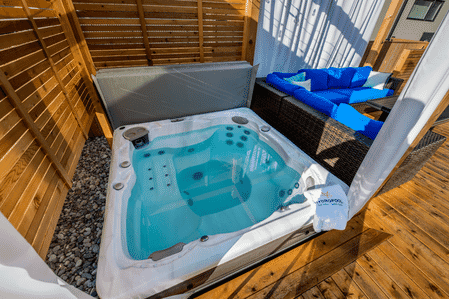
Are Hot Tubs Good for You?
Back to the Learning Centre By Jon Filson Hydropool Hot Tubs and Swim Spas Many people wonder: Are hot tubs good for you? The answer is yes, at Hydropool we believe they are. But it remains one of the most common questions we are asked in our Hydropool stores when people come in to shop. Not only can hot tubs help you relax, but they may also provide a wide range of health benefits. From reducing stress to improving muscle recovery, hot tubs can be an excellent addition to your wellness routine. In this article, we’ll explore: Potential physical benefits of hot tubs How hot tubs could help with mental health Possible roles of hot tubs in muscle recovery Let’s take a deeper look at how hot tubs can be beneficial for your health. What Physical Benefits Do Hot Tubs Provide? Hot tubs are known for their ability to relieve sore muscles, improve circulation, and reduce joint pain. The heat from the water and the soothing jets work together to provide relief for conditions such as arthritis and muscle strains. It’s important to note here that we aren’t medical professionals. So we have cited a source for each point we make here. We aren’t giving advice and don’t give medical advice. If you have any medical questions or concerns, we encourage you to go speak with your family doctor. Here are some physical benefits of using a hot tub: Improved Circulation Warm water immersion enhances blood flow by causing vasodilation, which increases blood supply to muscles and tissues. A study published in Frontiers in Physiology found that a 5-minute warm water immersion at 40–41°C significantly increased femoral arterial blood flow by 45.9% and decreased leg vascular resistance by 29.1% in healthy men. (Source: Frontiers) Research from the University of Portsmouth demonstrated that repeated hot water immersion sessions (40°C for 1 hour, 8–10 times over two weeks) improved vascular function in individuals with type 2 diabetes, leading to better blood pressure regulation and insulin sensitivity. (Source: The Sun: University of Portsmouth) Pain Relief Warm water therapy is effective in alleviating pain and reducing inflammation. The buoyancy of water reduces gravitational pressure on joints, making movement less painful for individuals with conditions like arthritis. A narrative review highlighted that immersion in mineral-rich hot water can reduce inflammation, improve circulation, and relax muscles, benefiting those with rheumatic diseases. (Source: IJSREWAC Medical) The Arthritis Foundation notes that patients with arthritis and fibromyalgia who participated in warm water exercise programs experienced up to a 40% reduction in pain and improved mobility. (Source: Arthritis Foundation) Hydropool’s Zone Therapy and hydrotherapy programs are designed with you and your approach to wellness in mind. Get more information here on what they can do for you. Increased Flexibility The heat from warm water helps relax muscles, making stretching easier and improving flexibility. Here’s a quick look at some of the benefits that are possible: Muscle Relaxation and Flexibility: Warm water immersion helps relax muscles and increase blood flow, facilitating easier movement and stretching. This is particularly beneficial for individuals with joint stiffness or limited range of motion. (Source: NeuroLaunch) Aquatic Therapy Benefits: Engaging in aquatic therapy in warm water can improve joint flexibility and relieve pain. The warmth enhances circulation, delivering oxygen to the joints, which alleviates stiffness and may reduce inflammation. (Source: Knee Pain Centers of America) Hydrotherapy in Rehabilitation: Hydrotherapy, which often involves warm water immersion, is used in physiotherapy to facilitate movement and restore function. The physical properties of water, combined with its warmth, aid in muscle relaxation and flexibility. (Source: ScienceDirect+Physiotherapy Journal) Hot tubs can play a vital role in maintaining physical health and comfort. Remember, any questions or concerns, consult your doctor. How Can Hot Tubs Improve Mental Health? Beyond physical benefits, hot tubs can also have a positive impact on your mental well-being. The combination of heat, massaging jets, and the peaceful environment promotes relaxation and stress relief. Here’s how hot tubs can help mental health: Reduced stress: The warm water helps lower cortisol levels, the hormone associated with stress. By immersing yourself in a hot tub, you can unwind and experience a sense of calm. This makes hot tubs an excellent option for anyone who deals with daily stress or anxiety. (Source: International Journal of Stress Management) Improved sleep quality: Soaking in a hot tub before bedtime can promote relaxation and improve sleep quality. The warm water helps lower your body temperature, signalling to your body that it’s time to wind down and prepare for restful sleep. (Source: Sleep Medicine Reviews) Mood enhancement: When you relax in a hot tub, your body releases endorphins, also known as “feel-good” hormones. This natural boost can help lift your mood, making you feel more content and less anxious. Regular use of a hot tub can therefore contribute to a positive outlook on life. (Source: National Library of Medicine) Your Complete Guide to Hot Tub Temperature Settings How Do Hot Tubs Aid in Muscle Recovery? For athletes or anyone who leads an active lifestyle, hot tubs are a great tool for aiding in muscle recovery. The combination of warm water and massage from the jets can help reduce soreness, speed up recovery, and relax tight muscles. Here’s how hot tubs can contribute to muscle recovery: Increased blood flow: The heat from the water stimulates blood circulation, which helps deliver oxygen and nutrients to your muscles, aiding in quicker recovery. Enhanced circulation can also help reduce muscle stiffness and soreness. (Source: National Library of Medicine) Relaxation of muscles: The massaging jets in a hot tub help ease tight muscles by targeting specific areas. This can be especially useful after a strenuous workout or a long day of physical activity. Pain relief: Soaking in warm water can help alleviate muscle pain and discomfort, providing relief from both short-term soreness and longer-term muscle tension. Whether you’re an athlete recovering from a tough workout or simply someone dealing with muscle stiffness, using a hot tub can play an essential…
-
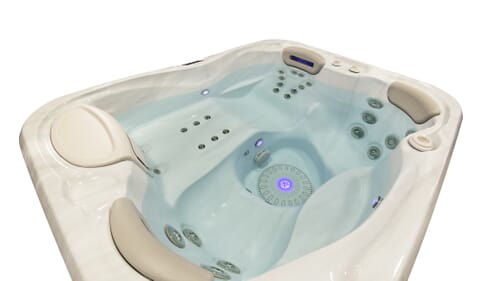
Best Small Hot Tubs: Your Complete Guide
Back to the Learning Centre The Best Small Hot Tubs: What you REALLY need to know By Jon Filson Hydropool Hot Tubs and Swim Spas Finding a top-notch small hot tub isn’t as simple as it might seem. Here at Hydropool, we’ve got some thoughts on the matter and a few models we think stand out, including some of our fiercest rivals. We are asked about small hot tubs regularly, so we wanted to include our top selections and reveal what to look for in a good one. In this article, we will discuss: What makes a good small hot tub Who should buy a small hot tub Our picks of the best small hot tubs you can buy And we hope buy the end that you have a strong sense of what is the proper choice for you! What makes a quality small hot tub? Let’s have a gander at what makes a good one and some of our favourites. Here’s what we reckon makes a solid choice: – Enough Space: A good small hot tub still needs space for three people. Hot tubs are often sold like tents – just because you can cram two people in a tiny tent it doesn’t mean it is a comfy experience for either of them. What we mean is space for three in a hot tub is generally comfortable for two. So we advise not going smaller. – Full Features: A three-person tub should offer the same benefits as a larger one. That means room for a soak, a hydrotherapy massage and a lounge seat. – Comfortable Seating: It should genuinely accommodate three people comfortably. For space, it’s best to test this out at your local hot tub shop. Ideally, you don’t want seats arranged so everyone’s staring uncomfortably at one another. – Compact Size: It should fit snugly into smaller spaces, staying under the 2m x 2m mark that is typical of a four-person tub. – Quality Build: Smaller doesn’t mean skimping on quality. Think of a good small hot tub as the Mini Cooper of hot tubs. It should be compact yet robust. – Entry and Exit: You should be able to get in and out without just stepping on seats. The design should be efficient, but still provide everything you need for access. Are Hydropool hot tubs worth it? Who should buy a small hot tub? Three-person hot tubs are smashing for couples or retirees and work a treat for flat dwellers or those with limited outdoor space who still fancy a bit of luxury. If you’ve got a limited garden, a three-person hot tub is a great choice. We’ve had our eye on models from Sundance, Jacuzzi, ourselves at Hydropool, Marquis, Hot Spring, and Bullfrog. We know it’s a bit off for one company to be writing about another’s product. But we want everyone who buys a hot tub to have a good one. Sadly, there are bad actors out there in this industry, and we have seen many come and go in the nearly 50 years we have been in business. Here’s a quick rundown of our top picks, in no set order: Sundance Dover -Plug and Play: Simple to set up with a standard plug in. – Unique Jets: Comes with company’s patented Fluidix jets, which feature no moving parts, offering customisable hydrotherapy. – Size: Measures roughly 175 cm x 208 cm x 77 cm. Jacuzzi 315 – Premium Feel: High quality product as the premium label in this category, with two seats directly facing and a semi-lounge seat. – Unique Element: The HydroSoothe™ massage pillow for a superior neck experience. – Size: Around 193 cm x 168 cm x 81 cm. Hydropool Signature 379– Innovative Seating: Features angled seats for a comfy chat and easy access. Steps allow for easy intro and exit. The angled seats make for a more natural seating experience while allowing space for the steps. – Flexible Depth: Available in 76 cm or 94 cm depths for various spaces. – Size: 213 cm x 165 cm with flexible depth. Marquis Crown Spirit– Stylish Look: Elegant design with a different and unique form of hydromassage in each seat. – Honesty in Design: This hot tub actually has four seats, but room for three people each time. It’s a clever approach. -Size: Approximately 216 cm x 168 cm x 91 cm. Hot Spring JetSetter LX – Salt Water Option: Includes the company’s unique Moto-Massage jet on the lounge seat, specifically for your back. – Unique Jet System: Moves up and down for comprehensive back relief. – Size: Measures about 213 cm x 173 cm x 84 cm. Bullfrog Model A5L – Luxury and Customisation: Offers the company’s unique interchangeable JetPak Therapy System, which allows you to swap out entire seat panels, changing the massage each time. – Designed for Comfort: Customisable massage experience that is unique to Bullfrog. Modern looks. – Size: Approximately 213 cm x 173 cm x 81 cm. Hydropool’s Signature 379 is a smaller model but still includes a lounger and multiple seating options, so you’re not missing anything from a larger hot tub. How does Hydropool’s self-cleaning system work? Choosing the Right Hot Tub for You We’ve shared our criteria for what makes a cracking three-person hot tub and highlighted models that stand out to us. These models are perfect for couples or those not planning on hosting hot tub parties. If you’ve got a balcony or a compact space, a three-person hot tub might just be the ticket. Some, like Hydropool’s Signature 379, can even fit through standard doorways. If you’ve still got questions on three-person hot tubs, do reach out to your local retailer for more advice. Jon Filson is the Senior Content Manager at Hydropool Hot Tubs and Swim Spas. DISCLAIMER: In this article, we’ve used brand names not affiliated with Hydropool or Jacuzzi Brands LLC, the parent company of Hydropool. All information, including pricing and product details, was accurate at the time of writing and may change without notice.
-
Common Hot Tub Problems: Your Complete Guide
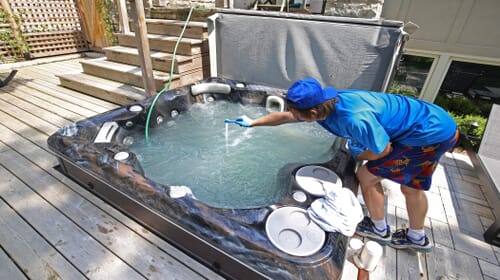
Back to the Learning Centre https://www.youtube.com/watch?v=jzQuXE6wvhgThe Complete Guide to Common Hot Tub Problems and How to Resolve Them By Jon Filson Hydropool Hot Tubs and Swim Spas If you own a hot tub or are considering buying one, you understand that it’s similar to owning a car or a home appliance. It has moving parts that need regular attention and occasional maintenance to keep running smoothly. And sometimes even then, servicing is required. At Hydropool, we’ve been in the hot tub industry for over 40 years, and we’ve seen firsthand how crucial it is for hot tub owners to understand how their spas function. By knowing the common problems that can arise and how to tackle them, you’ll ensure your hot tub remains a source of relaxation and enjoyment for years to come. In this expert guide, we’ll cover: Key hot tub components that may experience issues The most common problems faced by hot tub owners Proven tips to maintain your hot tub and avoid costly repairs We hope your Hydropool hot tub will run without a hitch, but like any piece of equipment, occasional servicing may be necessary. Let’s dive into the details and explore how to keep your hot tub in perfect condition. Which Hot Tub Parts Can Experience Problems? A hot tub consists of various components, and understanding which ones are most likely to experience issues can help prevent major headaches. Here’s a breakdown of common parts and their potential problems. Plumbing Parts: Hoses and JetsHoses carry water through the system, while jets circulate it to provide the therapeutic experience you bought your hot tub for. Though they require minimal maintenance, over time occasional issues like leaks or calcium build-up in jets can arise if water isn’t properly balanced. Regular checks help ensure smooth operation. Leaks can happen with hoses. This usually happens shortly after delivery, if something has jostled loose, or years after ownership. Pumps: The Heart of Water CirculationMost hot tubs have one or two pumps. For example, in our Signature range, the Gold model uses a single pump, while the Platinum model benefits from dual pumps for enhanced efficiency and longer lifespan. A single pump has to work harder than two pumps, so it tends to go quicker. The most common other long-term issue is leaks due to worn seals, but pumps are generally long-lasting with proper care. Heater: Keeping Your Water WarmYour hot tub heater keeps the water at the perfect temperature by passing it over a heating element. However, if your water chemistry isn’t balanced, it can stress the heater due to particles either accumulating on it or eating away at it. Make sure to regularly check your water’s pH to protect this essential component. How does your hot tub work? Electrical Components: Ensuring Smooth OperationHot tubs rely on electrical components like control panels, pumps, and the heater. There are a variety of codes that can come up, and each needs to be handled separately. Over time, wear and tear, water damage, or faulty connections can cause problems. If you notice issues with the electrical system, it’s always best to consult a professional to avoid further complications. Filters: Keeping Your Water CleanFilters are essential for maintaining water cleanliness. If not regularly cleaned, they can become clogged, leading to more severe mechanical issues. Regular filter maintenance ensures your hot tub water remains inviting and your system continues to run efficiently. Water Quality: A Key Factor in Hot Tub HealthGreen water, foamy water, odd smelling water, cloudy water: It can all happen. That’s why maintaining the right water balance is crucial. A low pH can corrode components, while high pH levels can cause calcium build-up. Regular water testing and adjustments prevent most water-related issues. Your local hot tub store will be able to advise you if anything happens. Just bring in a sample and they can tell you what to do to fix it. Shell: Maintaining Aesthetics and PerformanceAcrylic shells can sometimes chip or get scratched, while imbalanced water chemistry can cause staining. Regular maintenance and attention to your water balance will help preserve the beauty of your hot tub shell for years. Cabinet and Frame: Ensuring Structural IntegrityFor your hot tub to function properly, it should sit on a solid, level surface. If not, the frame and cabinet could warp over time, leading to structural damage. Ensuring the proper installation of your hot tub is key to avoiding these issues. Hydropool’s hot tubs are insulated by a blanket which wraps the entire environment, creating elite energy efficiency while still providing acccess should servicing ever be needed. Does Insulation Matter for Hot Tub Repairs? Yes, it absolutely does. The type of insulation used in your hot tub affects both its energy efficiency and the ease of repairs. Many hot tubs are fully foam-filled, which means if a repair is needed, the foam insulation must be removed and replaced—a costly and time-consuming process. At Hydropool, we’ve designed our hot tubs with a thermal blanket system, which not only provides excellent energy efficiency but also makes repairs easier and more affordable because the entire unit is accessible inside cabinet. This design gives you peace of mind, knowing that repairs won’t break the bank. The Most Common Hot Tub Problems and How to Fix Them Let’s now dive into the most common problems that hot tub owners experience. Armed with the right knowledge, you’ll be able to resolve these issues quickly and effectively. Water Issues: The Most Common ProblemBy far, water-related problems are the most common. Improper maintenance can lead to discolouration, foaming, unpleasant smells, or even damage to internal components. Regular water testing and maintenance are your best defense against these issues, with your local hot tub dealer always there to test your water for you and offer advice. Heater Failures: Causes and SolutionsIssues with the heater often arise from water chemistry imbalances. If the water is too acidic, it can damage seals, while high pH levels can cause calcium build-up. Additionally, blocked filters can impede water flow, which may cause the…
-
Are Hydropool Hot Tubs Worth It? Facts To Know About the Hot Tub Brand
Back to the Learning Centre https://www.youtube.com/watch?v=AOV0-tji-18 By Jon Filson Hydropool Hot Tubs and Swim Spas If you’re asking, “are Hydropool hot tubs any good?” then you are not alone. It’s a fair query. At Hydropool, we understand that buying any hot tub is a big decision, so we want to make it easier for you by explaining why our hot tubs are a good buy.We know this is a tricky issue for people: although we have been around for 45 years and were one of the first hot tub companies to export to the UK, we know that many people are coming to hot tubs for the first time. As a result, they don’t know the brands.In other sectors, we know that brand names are more well-known. You likely know and are comfortable with names such as Apple, Samsung, or Cadbury.So it’s entirely natural to wonder, which hot tub brands can I trust?Here’s what to look for: If you’re thinking about investing in a hot tub, you’ll want to be sure you’re getting the best value for your money. A hot tub should be affordable, reliable, easy to maintain, energy-efficient, and packed with features that enhance your relaxation and well-being. You can have all of these things in a hot tub, so we suggest not settling for less.Here’s more on Hydropool, and why makes our hot tubs unique.Should You Buy a Hydropool Hot Tub?We believe Hydropool hot tubs are a smart investment. Here are 10 reasons why: A Trusted Brand with a Strong HeritageWe’ve been in the hot tub industry for over 40 years—so you can have peace of mind that we’ll be here for years to come. If you ever need support, advice, or parts for your hot tub, we’ll be there. We have seen many companies come and go in the meantime. Built on Quality, Not GimmicksOur growth isn’t due to flashy adverts promising rock-bottom prices. Unlike some brands that rely on flashy advertising and deep discounts, we’ve built our reputation by focusing on high-quality hot tubs. We take pride in craftsmanship and innovation rather than just chasing the lowest price or adding “even more power!” We know what you need is enough power and the best value for your money. Patented Self-Cleaning TechnologyOur Signature line boasts self-cleaning features making our tubs the easiest hot tubs to maintain around. Others might claim it, but they’re usually chatting about filtration. We’re the only company globally that offers a truly self-cleaning hot tub. Our Signature Self-Cleaning Hot Tubs are the easiest to maintain in the world. Unlike other brands, our unique system automatically cleans 100% of the water every 15 minutes which saves you time, money and effort. Premium Quality Without the Premium Price TagHydropool sits comfortably in the luxury market. We offer high-end features without being the most expensive option. If hot tubs were cars, we’d be in the Audi, Volvo, or BMW class: premium quality, exceptional performance, and built to last. Experts in Water CareWe started as a commercial pool company, meaning we’ve spent decades perfecting the ultimate water experience. Our goal isn’t just to sell hot tubs, it’s to deliver the most comfortable, clean, and enjoyable spa experience possible. Our motto, “The Water is Calling,” highlights our commitment to delivering a stellar water experience. Energy-Efficient DesignWe’re always evolving, and our latest hot tubs are built with advanced insulation and heat-retention technology. This means your tub stays warm while using less energy, helping you save on running costs, which is ideal for UK weather! While we have been in business for more than 40 years, our hot tubs have changed during that time (our insulation has evolved the most!). We’ve continually made our hot tubs better. Targeted Hydrotherapy MassageOur tubs feature four-zone jet therapy, providing Upper Core, Core, Lower Body, and Reflexology massage. Whether you’re looking to relieve stress, ease muscle tension, or improve circulation, our jets are designed for maximum relaxation. Each of our hot tubs is designed so that your full body can get a massage, rather than focusing on specific areas or having randomly placed jets that don’t accomplish anything but moving water. Made in Canada, Built to LastHydropool hot tubs are manufactured in Canada, where they’re designed to withstand extreme weather conditions. This means they’re built for durability, making them a great choice for the UK’s unpredictable climate. They can handle Canada and they can handle the UK. We’ve been selling in the UK since the mid-90s. If our products didn’t last there, we’d be out of the market by now. Handcrafted and Quality-CheckedEach Hydropool hot tub is hand-built by skilled technicians and inspected at every stage of production. We don’t mass-produce. Every tub is carefully crafted to meet our high standards. Fully Tested Before DeliveryBefore any hot tub leaves our factory, it’s filled with water and tested to ensure everything is in perfect working order. That means when your tub arrives, you can trust it’s ready to use from day one.Is Hydropool a Good Choice?Choosing a hot tub can be overwhelming, but we believe Hydropool stands out for its quality, innovation, and reliability. If you’re looking for a hot tub that’s built to last, easy to maintain, and offers top-tier comfort, a Hydropool hot tub is well worth considering.Ready to explore your options? Find your nearest Hydropool dealer today and take the next step toward your perfect hot tub experience. Jon Filson is the Senior Content Manager at Hydropool Hot Tubs and Swim Spas.
